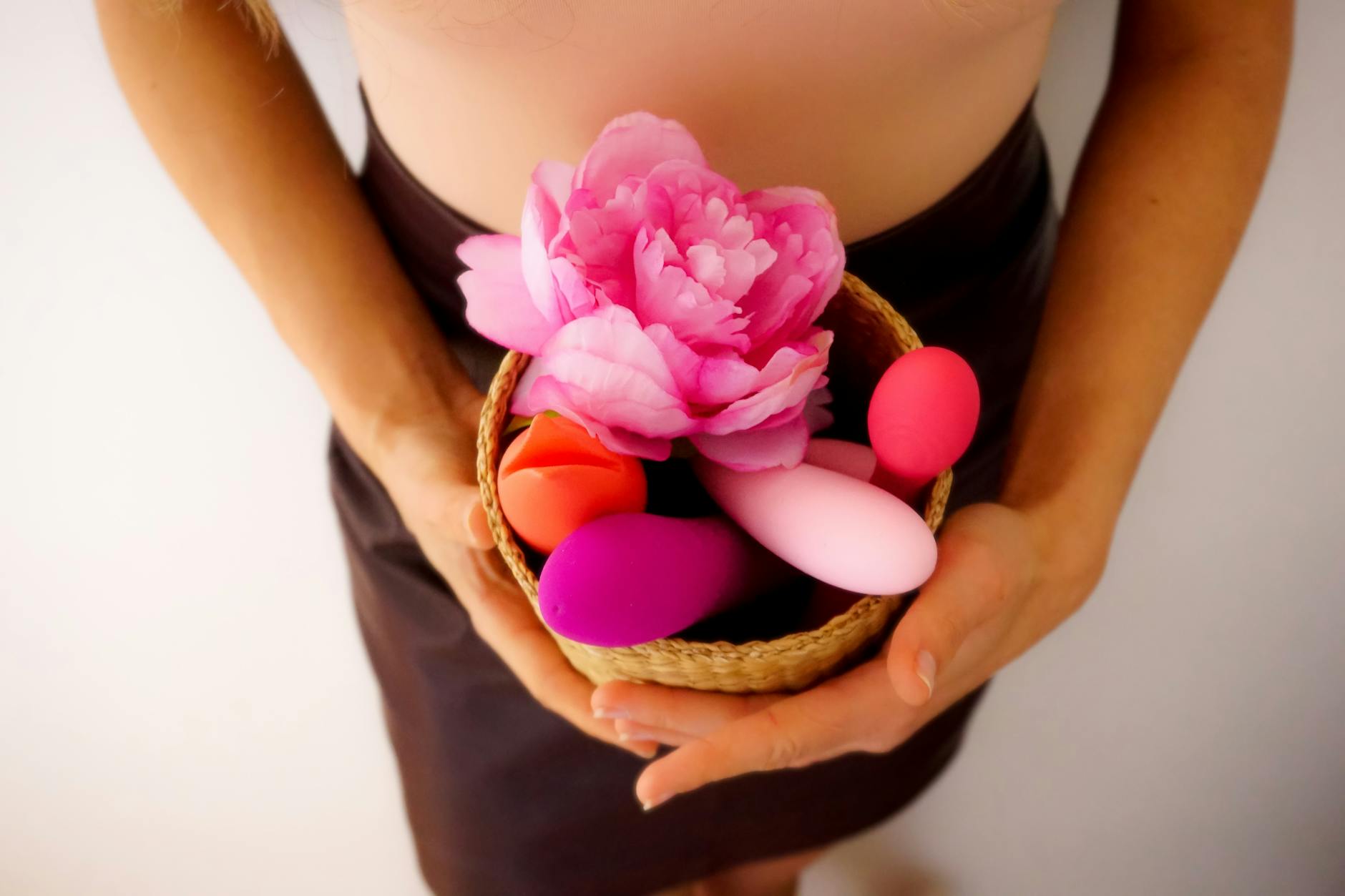
Let's talk about what reclaiming pleasure actually means
Honestly, this conversation usually starts in my office with someone saying "I want to want sex again" or "I want to feel normal." Both are true desires. What I hear underneath is something more specific: I want to feel safe in my own body.
Sexual trauma doesn't just affect desire. It rewires your nervous system's relationship with touch, with vulnerability, with the possibility of letting go. Recovery isn't about forcing pleasure back into your life. It's about slowly, deliberately, on your schedule, teaching your body that sensation can be yours again.
Lemon vibrators and other clitoral vibrators can be part of that toolkit. But only if you approach them as instruments of control, not performance. That distinction changes everything.
Why control matters more than sensation
After trauma, the body's threat response stays hyperactive. You're scanning for danger even when you're safe. This is why partnered sex often feels risky for people in recovery.your nervous system doesn't trust the surrender it requires.
Solo exploration with a tool like the Lem shifts the power dynamic. You control the intensity. You control the pace. You control when it starts and when it stops. This isn't just nice to have.it's neurologically essential. Your brain needs evidence that you can stop something at any moment without negotiating, explaining, or managing anyone else's disappointment.
Clitoral vibrators give you that evidence, repeatedly, until your nervous system starts to believe it.
Starting with grounding, not stimulation
Before you ever turn on a lemon vibrator, the work happens in your body's baseline. I ask every person in recovery to start here:
Find three things you can feel right now.the texture of the fabric you're wearing, the temperature of the air on your skin, your feet on the floor. Name them. Spend thirty seconds noticing them without trying to change them. This is grounding, and it's your foundation.
The reason: trauma lives in the body as a feeling that you're not safe. Your rational brain knows better.your nervous system hasn't caught up. Grounding reminds your body that you're present, you're in control, and sensation doesn't have to mean danger.
When you're ready to explore pleasure, do the same thing first. Notice the room. Feel the bed. Then, and only then, invite touch.
How to introduce a lemon vibrator safely
Three rules I give everyone:
Start with zero expectation of orgasm. This sounds counterintuitive, but it's the whole point. Your goal is sensation, not outcome. The moment you attach pressure to climaxing, you've recreated the dynamic that made sex unsafe.you're performing again. Start the device, feel for thirty seconds, notice what happens in your body, then stop. That's a win.
Keep your clothes on at first. Seriously. Use the vibrator over your underwear or through clothing. Your nervous system needs a barrier while it learns that vibration doesn't have to mean vulnerability. This isn't a shame thing.it's a biology thing. Once you're comfortable with the sensation through fabric, clothed or unclothed is your choice.
Have a pause signal that's just for you. Not a safe word.a signal. Maybe it's pressing your thumb and finger together, or touching your own collarbone. Something that reminds you instantly that you have a stop button that doesn't require words. Practice it outside of sexual context.when you're stressed, when you're overwhelmed.so your body knows it works.
The rhythm of safe solo exploration
Survivors of trauma often report that recovery feels like peeling an onion in reverse. You layer things back in, slowly, and sometimes a texture or a sound or a position takes you back to the moment that hurt.
This is normal and not a sign that you're failing.
With a lemon vibrator or other clitoral vibrator, your routine might look like this for the first month:
Two to three times weekly, spend 10-15 minutes exploring sensation.not chasing pleasure, just noticing it.Set a timer so you're not worried about time passing. Use the lowest intensity setting on the Lem, or start with the gentlest pattern. If something feels unsafe, stop immediately.no guilt, no analysis.just stop.
If you feel an emotion.anger, sadness, numbness.that's information, not an obstacle. Pause, ground yourself again, and decide whether to continue. Your body is processing. Let it.
Over weeks, you might increase intensity or duration. You might not.Both are fine. The goal is consistency and safety, not progress.
When to involve a partner (and how to communicate)
Someone in recovery often asks: when can my partner be involved again?
The honest answer is.when you've rebuilt safety with yourself first. Not months of solo work, but enough that you know what your body responds to without outside pressure, and you trust yourself to ask for things to stop.
If your partner wants to participate, that conversation should happen completely clothed, outside the bedroom, when you're both calm.
Tell them: "I'm rebuilding trust in my body. I need you to move slowly. I need you to check in constantly. And I need you to be okay with me saying stop, and stopping immediately, without questions." If they can't do that, they're not ready to be part of this yet.
If they can, start small. Maybe they're present while you use a lemon vibrator. Maybe you guide their hand to touch you in a way that feels safe. Maybe you stay clothed. The timeline is yours, not theirs.
What numbness actually is (and why it's not failure)
Many people in recovery report not feeling much of anything during solo exploration for weeks or months. This isn't dysfunction.it's your nervous system protecting you. Numbness is safer than vulnerability, and your body knows this.
Don't chase sensation. Don't panic about it. Keep showing up, keep grounding, keep reminding your nervous system that you're safe.
Sometimes pleasure returns in tiny moments.a flash of warmth, a second of intensity, a moment where you think "oh, there it is." Notice it. Don't grab for it. Let it exist and move on.
This is how the nervous system heals.not through forcing, but through repeated, safe exposure to the idea that touch can be okay.
Partnered pleasure without pressure
As recovery deepens, some people want to reconnect sexually with a partner. If that's you, start by using a clitoral vibrator together before trying penetration or other forms of sex. Why. Because it keeps the focus on your pleasure and your control.
Read more in our guide on using lemon vibrators when your partner wants to participate.
Your partner can be present, supportive, and involved without being the primary source of stimulation. This distinction helps you practice receiving pleasure while still holding the power. Over time, as your nervous system gains evidence that you're safe, you can expand from there.
Building a trauma-informed pleasure practice
Recovery isn't linear, and pleasure won't feel the same as it did before.it might feel better.deeper, more intentional, less burdened by performance anxiety or external pressure.
Five things that matter most:
- Consistency over intensity. Show up regularly, even if you don't feel like it, because showing up rewires your nervous system.
- Grounding before pleasure. Always. Your body needs the anchor.
- Zero orgasm pressure. Not in the first month, maybe not in the first year. Let it come when it comes.
- Stopping whenever you need to. No explanation, no guilt. Your body's signals matter more than anyone's expectations.
- Professional support alongside solo work. If you're not already working with a trauma-informed therapist, consider it. They can help you process what comes up. Self-pleasure and therapy aren't either/or.they're both essential.
When to seek professional support
If you're experiencing intrusive memories, severe anxiety during exploration, or dissociation, talk to your therapist before increasing frequency or intensity. Recovery from sexual trauma sometimes needs professional guidance alongside self-exploration.
A trauma-informed sex therapist can help you navigate what's normal nervous system healing and what needs additional support. There's no shame in this.it's the most loving thing you can do for yourself.
FAQ
How long does it usually take to reclaim pleasure after trauma?
This varies widely depending on the trauma, your support system, and your own timeline. Some people feel shifts in 2-3 months. Others take 1-2 years. Healing isn't about speed.it's about consistency and safety. If you're working with a therapist and exploring safely, you're on the right track regardless of timeline.
Can I use lemon vibrators during the first month of recovery?
Yes, but start gentle. Over clothing, low intensity, no orgasm goal, short sessions.5-10 minutes. Think of it as introducing sensation to your nervous system slowly, not as reaching for pleasure. The goal is safety first, sensation second.
What if I feel flashbacks or panic during exploration?
Stop immediately. Ground yourself using the five senses technique: name five things you see, four you can touch, three you hear, two you smell, one you taste. Call a friend. Text your therapist. Your body was protecting you. There's no failure here. Next time you explore, you might take more time beforehand to ground, or you might wait and talk to your therapist first. Trust yourself.
Is it normal to feel angry or sad during solo pleasure work?
Very normal. Trauma creates a freeze response, and sometimes unfreezing that brings up other emotions.anger that you had to survive, sadness about what you lost, grief about your own body. Let these feelings exist. You don't have to fix them or finish your session. Pause, feel, and decide what you need.
Should I tell my partner I'm using a vibrator during recovery?
That depends on your relationship and your safety. If you have a partner you trust, sharing this can deepen intimacy and help them understand what you're doing. If you don't feel safe, your solo exploration can stay private. Your healing belongs to you.
What if pleasure comes back differently than it used to?
Most people in recovery find that pleasure changes. It might come slower, or in different parts of your body, or be less intense, or be more internal. This isn't loss.it's rediscovery. You're learning your body as it is now, not as it was then. That can actually feel richer, because it's entirely yours.
You're rebuilding something profound
Reclamation of pleasure after trauma is an act of resistance against the person or moment that tried to take it from you. It's not frivolous. It's not selfish. It's you telling your nervous system: my body still belongs to me, and sensation can be safe.
A lemon vibrator or any clitoral vibrator is just a tool. The real work is the permission you're giving yourself to feel, slowly and safely, on your own terms. That's where healing lives.
If you want to talk through your specific situation or need guidance on your recovery journey, reach out. That's what I'm here for.