The Uncomfortable Truth Nobody Talks About
Let's be real: your clitoris doesn't have an expiration date. But it does change. And most people get a mixed bag of information about what that means—either "everything stays exactly the same" (it doesn't) or "you might as well give up" (also wrong). The truth is somewhere in the middle, grounded in biology, and actually manageable once you understand what's happening.
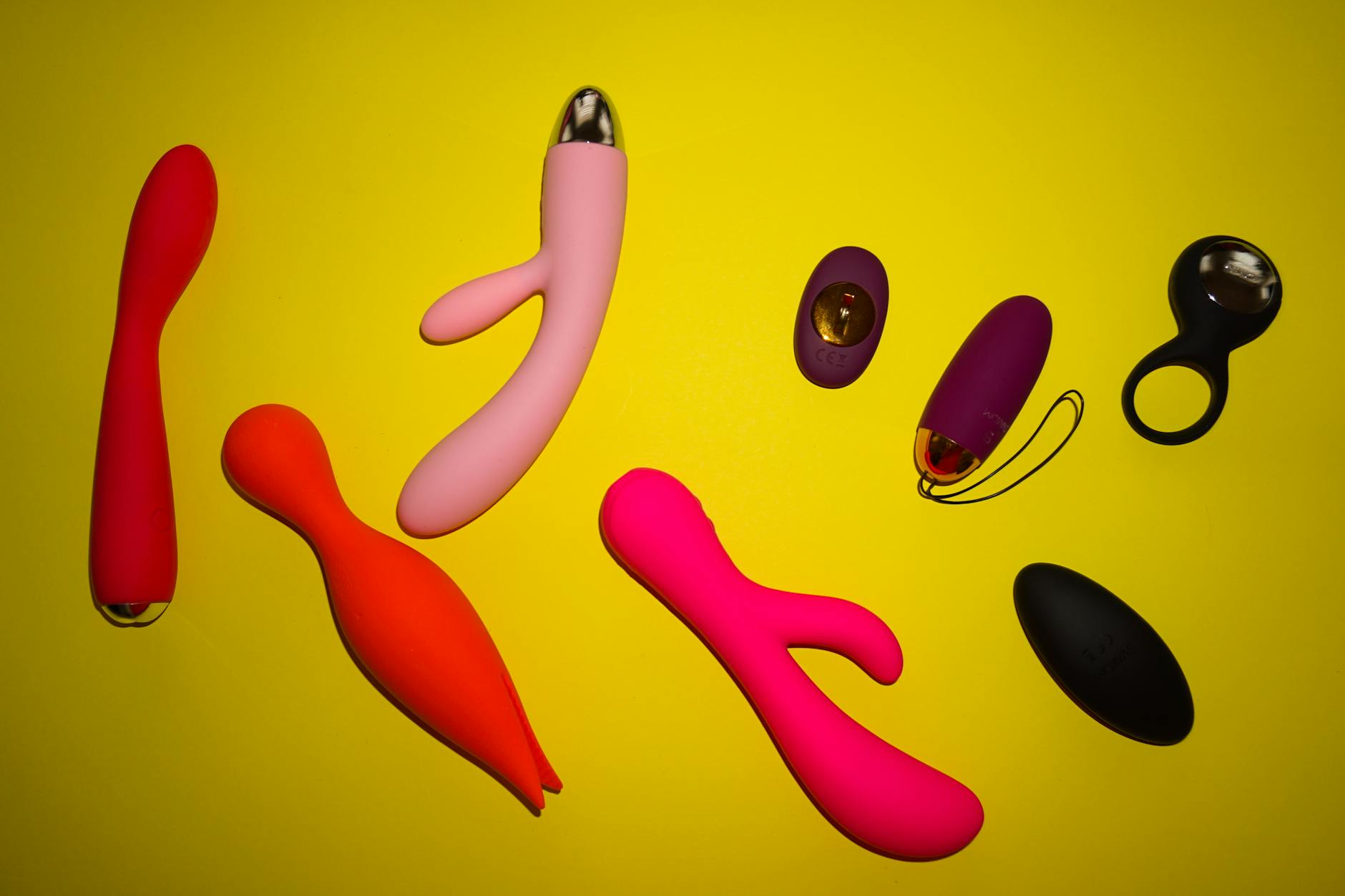
Clitoral sensitivity shifts across your lifespan. In your twenties and thirties, your clitoris is responsive, reactive, sometimes almost too eager. Then in your forties, fifties, and beyond, that responsiveness alters. The tissue changes texture. Arousal takes longer to build. The kind of touch that made you gasp at thirty might feel generic at fifty. This isn't failure. It's just the physiology of aging—and it's precisely where lemon vibrators and other clitoral toys start earning their place in your routine.
What Actually Happens to Clitoral Sensitivity Over Time
Three overlapping shifts occur in your clitoris as you age. First, the tissue thins slightly. Estrogen is partly responsible here, but so is the simple fact that skin loses elasticity everywhere on your body, and the clitoris is skin too. Second, the nerve density doesn't change, but the speed of signal transmission slows a touch. Your clitoris still has all those nerve endings—roughly 8,000 of them—but the electrical impulse takes marginally longer to register as pleasure. Third, blood flow becomes less spontaneous. When you were younger, arousal could happen almost by accident. Now it requires intention, warmup, and sometimes physical priming.
The key thing: none of this makes orgasm impossible. It makes it different. And different is often better, once you adapt.
Why Lemon Vibrators Work Better as Sensitivity Shifts
Here's where air-suction clitoral vibrators like the Lem come in. Traditional vibrators rely on buzz frequency to trigger nerve endings. Lemon clitoral vibrators and similar suction-based designs use a fundamentally different mechanism. Instead of pure vibration, they create a gentle vacuum sensation that stimulates the entire clitoral complex—not just the external glans, but the internal bulbs and structures beneath the surface.
This matters because aging shifts which part of your clitoris responds best to touch. Younger people often respond to direct, intense vibration on the glans. As sensitivity changes, many people find that suction—which reaches deeper tissue and distributes pressure more evenly—feels more pleasurable and less overwhelming. The Lem starts at a gentle pulse (pattern 1) and builds to more intensity, which is perfect for bodies that need a slower warm-up or that get overstimulated by constant direct pressure.
The other advantage: lemon vibrators and clitoral suction toys don't require you to have the "right" amount of arousal to work. With traditional vibrators, if you're not sufficiently aroused, direct stimulation can feel uncomfortable or ineffective. Suction works with your body's natural state, gradually coaxing arousal rather than demanding it show up first.
The Physical Settings That Actually Work
If you've tried lemon vibrators before and found them too intense, you were probably starting too high. Most people jump to pattern 4 or 5 when they first unwrap a clitoral toy. That's the mistake. Here's what I see work best for people experiencing clitoral sensitivity changes:
Start with pattern 1 or 2. Not as a test run. Plan to spend 5 to 10 minutes here. Let your body acclimate. Blood flow increases gradually. Sensitivity actually sharpens as you warm up. If you jump to pattern 3 immediately, you're skipping the most important part.
Use water-based lubricant even if you don't think you need it. This sounds counterintuitive, but aging tissue benefits from lubrication in ways younger tissue doesn't. It's not about dryness (though that's often present too). It's about comfort and protection. A thin layer of lube on the head of the lemon vibrator reduces friction and lets you stay with gentler patterns longer without discomfort.
Angle the toy slightly differently. Younger people often find direct, perpendicular contact works best. As sensitivity shifts, many people prefer the lem vibrator angled slightly to the side, stimulating the shaft of the clitoris rather than just the glans. This distributes sensation and often feels less intense but more pleasurable.
Set a timer for 15 to 20 minutes. Not because you need to rush, but because it gives your nervous system permission to settle in. When your body knows you have time, arousal builds differently. You're not racing to climax. You're just exploring sensation. Orgasms that come after 15 or 20 minutes of steady, patient stimulation often feel completely different from the five-minute finishes of earlier years.
The Mental Adjustments Matter More Than the Physical Ones
Here's what catches people off guard: clitoral sensitivity changes often feel personal. You start thinking "my body doesn't work anymore" when what's actually true is "my body works differently." That gap between expectation and reality is where a lot of people get stuck.
I work with couples and individuals navigating this shift, and the breakthrough usually comes when they release the idea that pleasure should feel the way it felt at twenty-five. Your brain at fifty is not your brain at twenty-five. Your body's capacity for pleasure hasn't diminished, but it's been redistributed. You might have more sensation in your breasts now. Your inner thighs might light up in ways they didn't before. Your capacity for full-body pleasure might actually expand even as direct clitoral sensitivity shifts.
That's why self-exploration with a lemon vibrator or similar clitoral toy matters so much. You're not just using a device. You're relearning your body. And that relearning is often the best sex some people have had because it requires presence, attention, and curiosity instead of habit.
When to Introduce Your Partner
If you're coupled, this is worth talking about before you bring a lemon clitoral vibrator into partnered sex. The conversation isn't "my body changed and I need help now." It's "I'm exploring what feels good to me at this point in my life, and I'd like you to be part of that." That reframe changes everything.
Many people feel self-conscious about needing or wanting external stimulation. But here's the thing: partnered sex and solo pleasure aren't competing. They're complementary. Using a clitoral vibrator during partnered sex doesn't mean your partner isn't enough. It means your nervous system needs a particular kind of stimulation to fully engage, and that's completely normal, especially as your body ages.
The Lem or other lemon vibrators work really well in partnered contexts because the suction sensation is subtle enough that your partner can participate in other ways—penetration, manual stimulation elsewhere, kissing, talking—without it feeling like you're on opposing teams.
When Sensitivity Changes Mean Something Else
There's a difference between normal age-related sensitivity shifts and actual pain or numbness that shows up suddenly. If you develop sharp pain during stimulation, that's worth checking with a doctor. If entire regions of your vulva go numb, same thing. But if sensitivity has gradually shifted over years or months, and orgasm is still possible (even if it takes longer), you're in the normal range of aging. That's where lemon vibrators help most.
Similarly, if your clitoral sensitivity has tanked alongside other symptoms—mood shifts, sleep changes, vaginal dryness that feels severe—talk to a menopause-informed provider. Sometimes supplemental hormone therapy or other interventions make a bigger difference than any toy can. The Lem works best when you're addressing the whole picture, not just the sensation piece.
The Pleasure Advantage Nobody Mentions
Here's what I notice with people in their forties, fifties, and beyond who lean into this shift instead of resisting it: orgasms often become fuller. Because arousal takes longer, your whole system gets more engaged. Your breathing deepens. Your nervous system relaxes more deeply. When the orgasm finally comes, it involves more of your body. Younger people sometimes chase the quick, sharp peak. Older people often discover the rolling, sustained pleasure that builds and sustains instead of just spiking.
A lemon vibrator or clitoral suction toy is the perfect device for that kind of pleasure because it's designed to sustain stimulation without numbing, and to build intensity gradually instead of hitting hard from the start. You're not fighting your body's natural pace. You're working with it.
FAQ: Clitoral Sensitivity, Aging, and Lemon Vibrators
What's the difference between losing sensitivity and just needing different stimulation?
Losing sensitivity would mean zero response to stimulation that previously worked. Different stimulation needs means the same stimulus produces a duller sensation, but other types of touch feel sharper. Most age-related changes fall in the second category. You might not feel as much from direct vibration but feel plenty from suction or slower pressure. That's not loss. That's evolution.
Can lemon vibrators actually help restore sensitivity?
No—and that's not their job. What they do is work with your current sensitivity instead of against it. By using a different stimulation mechanism (suction instead of pure vibration), they often make pleasure feel more accessible. Over time, some people report that regular use with patterns 1 and 2 helps them stay responsive, but that's about maintaining engagement, not "restoring" something that's gone.
Is it normal that I need more warm-up time now?
Completely normal. Arousal isn't a switch at any age, but it becomes less spontaneous as you age. Blood flow takes longer to redirect to the clitoris. Hormonal shifts change how quickly your body responds. Planning 15 to 20 minutes of foreplay or solo exploration isn't weakness. It's working with physiology instead of against it.
Should I stop using other vibrators if they're not working like they used to?
Not necessarily. You might simply need to change the pattern (lower intensity, different rhythm) or use them differently (angled touch instead of direct). But if traditional vibrators consistently feel too intense or don't build to pleasure anymore, lemon vibrators and suction-based clitoral toys are worth trying because they operate on a different principle. Some people use both, depending on mood and what their body needs that day.
Does clitoral sensitivity change permanently as you age?
Yes and no. The gradual shift—slower arousal, different responsive spots—is usually permanent. But your capacity for pleasure isn't fixed. You can maintain and even enhance it with exploration, regular use, and attention to the whole context of your sexual life (stress, sleep, relationship quality, health). Someone who stays engaged with their pleasure often reports more satisfaction at sixty than at thirty.
What if I feel embarrassed about needing lemon vibrators now when I didn't before?
That feeling makes sense, but it's worth questioning. Your body has changed in many beautiful ways. You've accumulated experience, knowledge, and often deeper self-awareness. Using a tool that works with your current body isn't a step backward. It's meeting yourself where you actually are. Most people who push past the embarrassment find that their sex life actually improves because they're finally working with physiology instead of fighting it.
The Path Forward
Clitoral sensitivity changes with age. That's not a tragedy waiting to happen. It's an invitation to explore your pleasure in a new way. Lemon vibrators, designed specifically for the kind of stimulation that works as your body ages, are one excellent tool for that exploration. But the real tool is curiosity—about what feels good now, about your partner's willingness to evolve alongside you, and about the fact that some of your best sexual experiences might genuinely still be ahead.
Your body at this point in your life deserves pleasure that fits. That's not nostalgia. That's wisdom. And it's available to you right now. If you want to explore this further or talk through changes you're experiencing, reach out. I'm here to help you navigate this transition with confidence.