
The honest conversation nobody's having
Let's be real. At 40, your clitoral vibrator doesn't feel the same as it did at 25. That's not a flaw in you or the toy. It's physics meeting biology, and understanding the difference transforms everything.
Most people either pretend nothing's changed or assume something's broken. Neither is true. What's happened is your tissue has evolved, your hormones have shifted, and your nervous system has aged in ways that actually make certain sensations more intense, not less.
What actually changes in your clitoris and vulva
The clitoris doesn't shrink. That's the first myth to drop. What does happen is the surrounding tissue becomes less hydrated as estrogen production naturally declines. This means the tissue around your clitoris becomes slightly less plump and elastic. The surface becomes more sensitive in some areas and less responsive to friction in others.
Your clitoral nerve density doesn't change. In fact, the nerves are still firing at the same capacity they always were. But the tissue protecting those nerves is thinner, which can make direct vibration feel sharper or even uncomfortable if the intensity is too high.
Blood flow to the area decreases gradually starting around your late 30s. This doesn't mean arousal is slower, though it can take longer to build. It means your tissue needs a different approach to reach the same sensation. A suction vibrator like a lemon clitoral vibrator works beautifully here because it uses negative pressure instead of direct mechanical vibration, which means less direct friction and more localized stimulation.
Your pelvic floor muscles tighten differently without consistent estrogen. They don't weaken. They become more prone to tension, which can make intense vibration feel less pleasurable and more like work.
Why lemon suction vibrators outperform traditional vibrators after 40
If you've been using traditional bullet or wand vibrators, the shift to a lemon suction-based toy often feels revelatory.
Here's why. Traditional clitoral vibrators use oscillation or rotation to create stimulation. They work by moving directly against the tissue repeatedly. At 40, when your tissue is more sensitive and less plump, this can feel abrasive. You either turn the intensity way down and lose sensation, or you keep it high and feel uncomfortable.
Lemon vibrators use a different mechanism. They pulse gently against the tissue using suction, which mimics the sensation of oral stimulation. Instead of friction, you get pressure waves. This means you can use the toy on higher settings without discomfort because the stimulation is distributed differently.
The other benefit is precision. The opening of a lemon suction vibrator is smaller than the head of most wands, which means the stimulation is concentrated exactly where your clitoris is. At 40, when your tissue has changed shape slightly, this precision matters. You're not stimulating dead zones around the clitoris. You're hitting the nerve clusters directly.
Most of my clients who switch from traditional vibrators to a lemon clitoral vibrator in their 40s report that they reach orgasm faster and with less fatigue. That's not coincidence. That's the right tool for your body at this stage.
Sensitivity shifts you might be experiencing
Three specific changes happen commonly around 40, and they're all manageable.
Your clitoris might feel numb or distant. This usually means your approach intensity is wrong, not that something is broken. Your clitoris hasn't lost sensation. The tissue around it has changed, so you need to establish contact differently. With a lemon sucker or other suction vibrator, you'll often feel arousal faster because the pressure-based stimulation reaches the tissue more effectively.
Direct touch might feel too intense. If you've always enjoyed a vibrator pressed directly against your clitoris, you might now find that unbearable. This is the thinning tissue at work. Switch to using the vibrator with a small piece of fabric between it and your skin, or use suction mode, which distributes pressure instead of concentrating it.
Orgasms might feel different in shape. They might be more localized, or they might build more slowly. This isn't worse. It's different. Some people find that once they adjust their technique, the orgasms are more intense because they're not fatigued from fighting against the wrong tool.
The mental side that changes everything
Here's what I tell clients that matters almost as much as the physical: your relationship with your body shifts at 40 in ways that can actually deepen pleasure.
You stop performing. You stop checking in with an imagined audience. You stop worrying whether your body looks right while you're using a toy. This mental clarity alone changes everything. You're not dividing your attention between sensation and self-consciousness.
You also know your body better. You know what works. You're willing to experiment in ways you weren't at 25, when there was a script you felt you had to follow.
The combination of physical change plus psychological shift often means that people in their 40s who embrace the right tools experience their most satisfying sexual experiences yet. I see this constantly in my practice.
How to adjust your technique for your body now
Four practical shifts that help almost immediately.
Start with longer warm-up time. Budget 15 to 20 minutes before introducing a vibrator. This isn't lost time. This is foreplay time, whether you're with a partner or alone. Your tissue needs time to respond, and your arousal needs time to build mentally and physically.
Begin on lower settings. If you own a lemon vibrator or other adjustable clitoral vibrator, start at mode one or two. Your goal isn't to find the highest setting that works. It's to find the setting that feels good, and then maybe go slightly higher. You might be surprised at how much lower your ideal setting is now compared to what you were using at 30.
Use lubricant designed for sensitivity. Water-based lubricant isn't just for partnered sex. It transforms solo play with toys. It reduces friction, which means less potential discomfort and more sensation. Apply it around (not inside) your clitoris.
Give yourself permission to vary texture and pressure. If suction isn't working one day, try vibration. If intensity feels wrong, try sustained pressure. Your body isn't broken. It's informing you that your needs have changed, and that's information worth listening to.
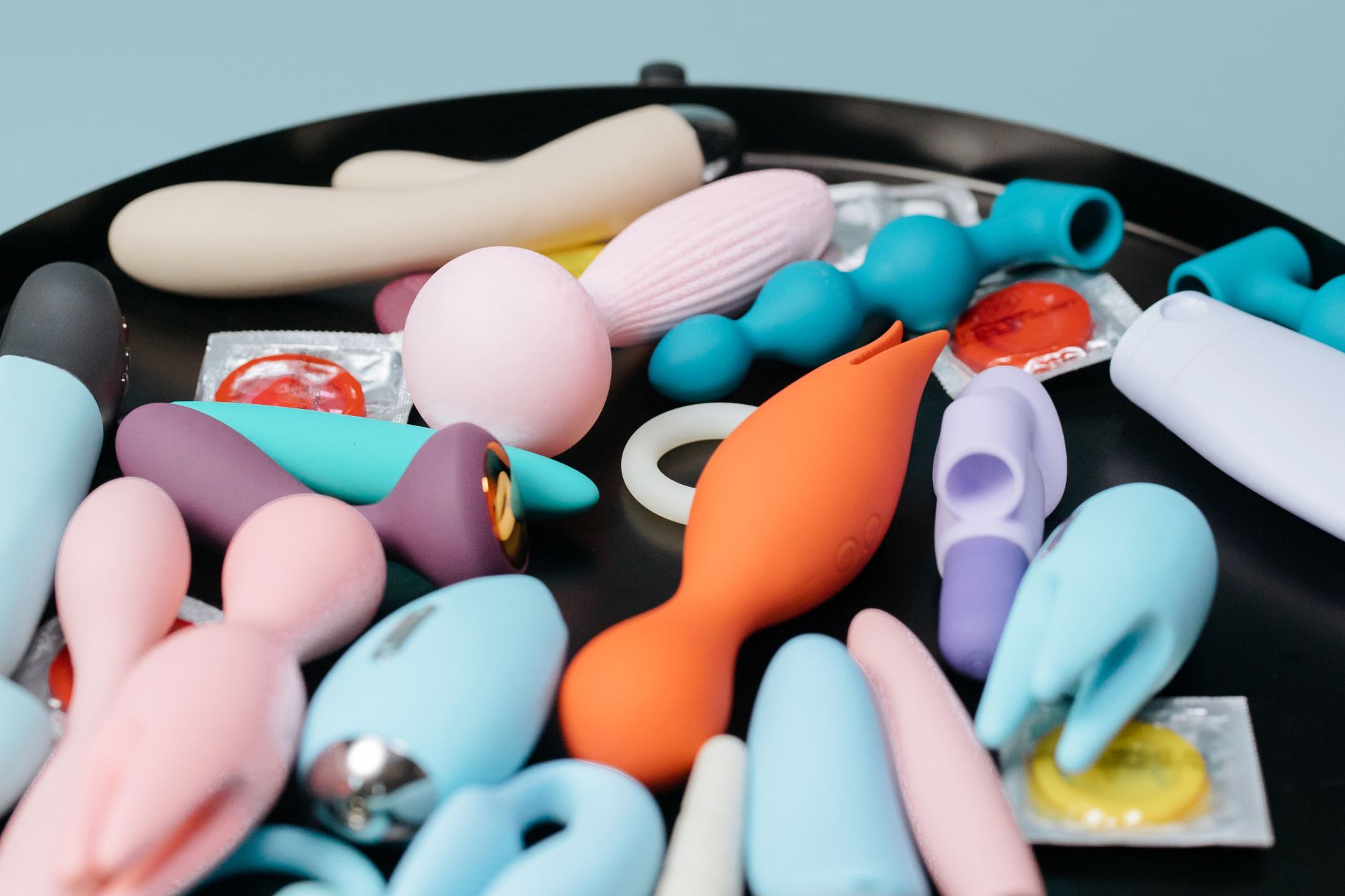
Photo by cottonbro studio on Pexels
When to see a doctor about changes
Some shifts are totally normal. Some signal that you'd benefit from professional support.
If you're experiencing pain during solo play or partnered sex, that's worth investigating. Genitourinary syndrome can develop gradually, and topical estrogen creams are highly effective treatments that take about two weeks to show results.
If you've lost all sensation of arousal and it's not returning after experimenting with different toys or techniques, mention it to your doctor. It might be hormonal, it might be medication-related, or it might be something else entirely. Don't assume it's permanent.
If you've gone from having orgasms regularly to struggling to reach them, don't white-knuckle through it. That usually makes things worse. A conversation with a healthcare provider who specializes in sexual health can rule out simple things like medication side effects or vitamin deficiencies.
The framework that changed everything for my clients
I recommend separating pleasure exploration from performance expectation. Use your first week with a new toy as pure experimentation. No goal. No target orgasm. Just paying attention to what feels good.
With that mindset, most people find their clitoral vibrator preferences shift naturally. You'll discover whether suction, vibration, or sustained pressure feels best for your body now. You might find that a lemon clitoral vibrator, with its precise suction approach, becomes your go-to because it delivers consistent sensation without fatigue.
Your body at 40 isn't less capable of pleasure than your body at 25. It's differently capable. The right tools, combined with permission to adjust your expectations, often unlock sensations you couldn't access before.
People Also Ask
Why do clitoral vibrators feel less intense after 40?
Your clitoral tissue has less hydration and the skin is thinner, which changes how vibration transfers through the tissue. This isn't a loss of nerve sensation. It's a shift in how stimulation reaches the nerves. Switching to a lemon suction vibrator often feels more intense because suction distributes pressure rather than concentrating it, making it easier for your tissue to respond.
Is it normal for orgasms to feel different after 40?
Completely normal. Your pelvic floor tension patterns have changed, your tissue has changed, and your hormones have shifted. Orgasms might feel more localized, take longer to build, or feel different in intensity. This isn't worse. It's information. Once you adjust your technique and tools, many people find their orgasms more satisfying because they're not fighting against friction or intensity.
Should I switch to a different vibrator at 40?
Not necessarily, but many people find that what worked at 30 doesn't work at 40. If you're using a traditional bullet or wand vibrator and it feels uncomfortable, switching to a suction-based lemon clitoral vibrator often helps. The mechanism is different, and your tissue responds differently to suction than to oscillation.
Can hormone changes affect clitoral sensitivity?
Yes, absolutely. Declining estrogen changes tissue hydration and blood flow, which affects how sensitive your clitoris is to stimulation. This is why adjusting your technique matters as much as your tools. Longer warm-up time, lower initial intensity settings, and possibly topical lubricant make a noticeable difference.
How long does it take to adjust to changes in clitoral sensation?
Most people notice changes over weeks or months, not overnight. Give yourself at least two weeks of consistent experimentation with adjusted techniques before deciding something's wrong. Your nervous system adapts quickly once you find the right approach for your body.
Is decreased clitoral sensation a sign I need medical help?
Not always, but if sensation has dropped dramatically and doesn't improve with technique adjustments or a new toy, it's worth mentioning to your doctor. Sometimes it's simply a matter of finding the right tool. Sometimes it signals something that a healthcare provider can address.
Your pleasure matters at every age. At 40, it just requires paying attention to what your body is telling you and adjusting accordingly. That's not compromise. That's sophistication.